


Croatia vs Montenegro vs Albania: Where Should You Go in 2026?

Every summer, Hungarian holidaymakers have the same debate: Croatia is the reliable favourite, but I have already been. Montenegro is supposed to be beautiful, but it is far away. Albania is cheap, but is it really that good?
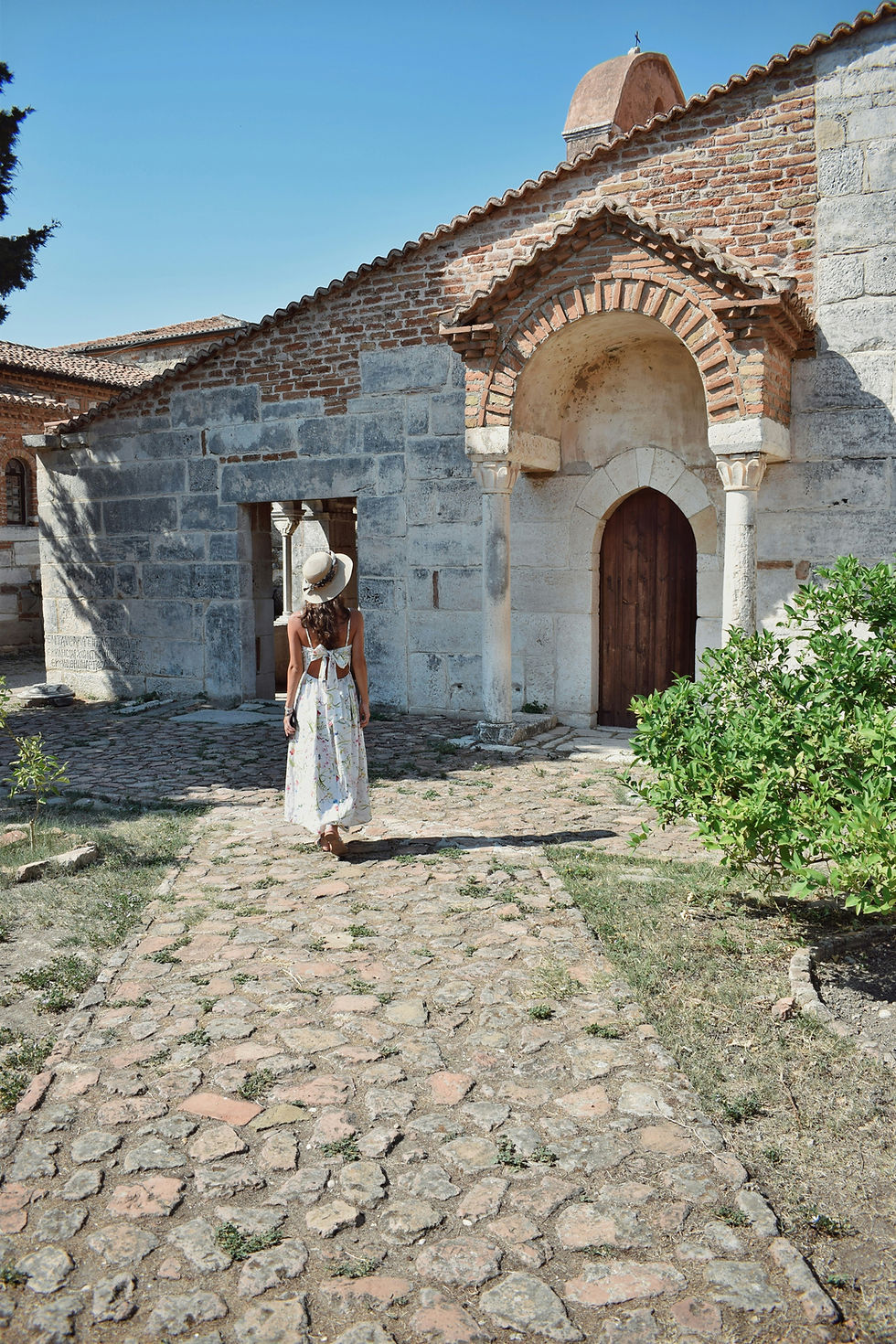
Croatia vs Montenegro vs Albania?
In 2026, this three-way question is particularly relevant: more Hungarians are discovering lesser-known parts of the Balkans, and fewer want to find themselves amid mass tourism in July.
We will get straight to it and compare the three destinations across the five most important factors.
Croatia | Montenegro | Albania | |
Distance from Budapest | 450–700 km | 900–1,000 km | 1,100 km |
Driving time | 5–8 hours | 10–11 hours | 13–14 hours |
Suggested travel time | 1 day | 2 days with a stop | 2 days with a stop |
Currency | EUR | EUR | ALL / EUR |
EU member? | Yes | No | No |
Visa required? | No | No | No |
Accommodation, 4 people/night | HUF 40,000–80,000 | HUF 25,000–55,000 | HUF 10,000–22,000 |
Average main course | HUF 3,000–6,000 | HUF 2,500–4,500 | HUF 1,500–3,000 |
Factor 1: the journey itself
Croatia clearly wins on distance. Head south on the M7 towards Letenye, and the first Croatian landscapes soon greet you. Nearby destinations such as Istria, Kvarner Bay and Krk island are five to six hours from Budapest. That is a manageable day of driving: leave at 6 am and stand outside your accommodation by noon. The Dalmatian coast, including Split, Hvar and Dubrovnik, takes seven to eight hours, but can still be reached in a day.
Montenegro is a different category. Roughly 900–1,000 kilometres can take ten to eleven hours, but it is not worth forcing into one day. The best strategy is to stay overnight en route. Sarajevo, Mostar or Durmitor make excellent stops, each worth half a day themselves. The journey becomes a Balkan experience rather than wasted time.
Albania is the longest journey, but can be approached in a similar way to Montenegro. Allow two days and visit Kotor along the way, perhaps also the Llogara Pass scenic road. If the journey itself matters, Albania is the road-trip category's outright winner.
Summary: If you want to reach the sea with at most one day's travel, Croatia is the only realistic option. If you accept a two-day journey, perhaps with a stop built in, Montenegro and Albania become possibilities too.
Factor 2: beaches and water
This is where many people are surprised.
Croatia has three types of beach: pebbly (such as Baška on Krk), rocky (much of the Dalmatian coast) and sandy (rare, and popular). Water quality is outstanding, with dozens of Blue Flag beaches to attest to it. Facilities are well developed: lifeguards, showers and child-friendly areas. The crowds, however, are real: popular beaches are packed in July.
Montenegro has well-known beaches such as Budva and Bečići that are touristy and noisy. The real treasures are the quiet little coves of the Bay of Kotor and less fashionable beaches in the south. The water is crystal clear and the scenery, especially around Kotor, is stunning. For those avoiding crowds and seeking something special, Montenegro beats Croatia.
Albania has southern shores such as Ksamil, Dhërmi and Himara now dubbed the European Caribbean, with good reason. The white sand and emerald water are real. Infrastructure is developing: some places still lack professional lifeguards, showers and changing rooms. If you can accept that, the beauty is striking and the crowds a fraction of those on Croatian beaches.
Summary: All three have beautiful seas. For established infrastructure, Croatia. For quieter, distinctive shores, Montenegro. For the most dramatic water and fewest tourists, Albania.
Factor 3: prices and budget
This is where the differences are greatest, and where the most preconceptions linger.
Croatia has now moved into the mid-range of European seaside destinations. That is not bad news, simply a fact: in 2026, seaside accommodation for four for a week's holiday runs from HUF 40,000 to 80,000 per night. Restaurant prices sit above the Mediterranean average. Overall, a week for four costs HUF 800,000–1,100,000.
Montenegro is noticeably cheaper, around 20–30% below Croatian prices. Accommodation, restaurants and local markets are all more affordable. The exceptions are luxury hotels around Sveti Stefan and Porto Montenegro, with top-end European prices. Staying well away from those, you can realistically save 30–40% compared with Croatia.
Albania is in another category. Around Ksamil, a four-person seaside apartment costs HUF 10,000–15,000 a night. A fish main course in a coastal restaurant is HUF 2,000–6,000. Fruit and vegetables at local markets cost very little. With careful budgeting, Albania can offer a similar holiday to Croatia for half the money.
Summary: Albania is cheapest, Montenegro is in the middle and Croatia is most expensive. The difference is substantial: an Albanian holiday can cost as little as half a Croatian one.
Factor 4: activities and sights
Croatia: Plitvice Lakes, Dubrovnik's old town, Diocletian's Palace in Split and Krka's waterfalls are all world-class attractions and truly impressive. There is plenty for children, romance for couples and rafting or SUP for the adventurous. Croatia's tourism industry is experienced in welcoming visitors.
Montenegro has the landscape itself as its strongest attraction. A boat trip around Kotor, climbing to the fortress, Durmitor National Park and rafting on the Tara River feel like genuine discovery rather than a packaged tourist attraction. Anyone seeking cultural depth and dramatic nature together will find them here.
Albania offers a surprisingly rich range of activities: Butrint Archaeological Park is a UNESCO site, the Blue Eye spring is extraordinarily beautiful, and historic Berat and Gjirokastër are cities tourism is only beginning to discover. The experience is rawer and less polished than Croatia, which is part of its authenticity.
Summary: For organised, well-known sights, Croatia is the most straightforward choice. If the joy of discovery drives you, Montenegro and Albania win this round.
Factor 5: which would I recommend to whom?
Croatia is best if:
You are a family with small children seeking reassurance, established facilities and child-friendly beaches
It is your first seaside holiday abroad and you want predictability
You want established restaurants and familiar accommodation options
You are not prepared to drive longer than 5–8 hours
Montenegro is best if:
You have been to Croatia and want something new
Dramatic scenery matters to you: the Bay of Kotor really is breathtaking
You enjoy road trips and will stop in Mostar or Sarajevo along the way
You want to avoid crowds
Albania is best if:
You are budget-conscious but do not want to give up beautiful beaches
You are adventurous and do not mind things being less polished
You are planning two weeks away and including Montenegro on the route
In 2026, you want to discover somewhere before it becomes a mass-tourism destination
The combined option: Montenegro and Albania together
If you have two weeks, a winning combination is two days in Montenegro, covering Kotor and Budva, before heading to southern Albania and spending most of the holiday around Saranda and Ksamil. This route is increasingly popular for good reason: two destinations with different personalities in one road trip.
You can find a detailed route in a separate article.
Read our detailed destination guides too:
Kotor and its surroundings in one week | Ksamil: is it really that good? | The Albanian Riviera in 10 days by car


Comments