


Why Does Bejgli Split? 7 Tips and a Walnut Bejgli Recipe


There is something special about the first scent of freshly baked bejgli before Christmas. Toasted walnuts, lemon zest and tender pastry instantly create a festive atmosphere.
But there is one frustrating moment: looking into the oven and seeing the side of your carefully rolled pastry split.
The causes are usually straightforward. Here is what to watch for, along with a traditional recipe for generously filled walnut bejgli.
The 7 key tips for preventing bejgli from splitting
1. The filling must be completely cold.
Warm filling can soften the pastry and make shaping difficult. Prepare it while the dough rests to give it time to cool.
2. Do not make the walnut filling too wet.
The filling should be thick and spreadable, not runny. Too much liquid creates steam during baking, increasing the risk of splitting.
3. Roll the pastry to an even thickness.
Thin patches tear easily, while thick pastry cooks less evenly. Aim for around 3–4 millimetres.
4. Do not roll too tightly.
The pastry and filling change volume as they bake. A tightly rolled log can split more easily, but avoid large air pockets between the layers too.
5. Prick the bejgli before baking.
Use a thin skewer to pierce the top and sides in several places, reaching the filling. This lets steam escape during baking.
6. Let the egg wash dry.
One secret of marbled bejgli is glazing in two stages. Brush with egg yolk first, let it dry, then brush with egg white. Let the second layer dry before baking too.
7. Do not use an excessively hot oven.
At high temperatures, the outside can set while the inside is still expanding. Around 180°C with conventional heat is a good starting point, but consider your own oven’s performance.
Traditional Walnut Bejgli Recipe – Makes 2 Rolls
Preparation: around 50 minutes of active work, plus resting and baking. Baking time: 30–40 minutes.
Pastry ingredients
500 g plain flour
250 g cold butter
50 g icing sugar
15 g fresh yeast
150 ml cold milk
1 egg yolk
1 pinch of salt
For the walnut filling
400 g ground walnuts
180 g sugar
150 ml milk
Grated zest of 1 unwaxed lemon
1 sachet vanilla sugar
Cinnamon, to taste
A little breadcrumb to thicken, if needed
For the glaze
1 egg, separated
Step-by-step method
1. Make the pastry.
Rub the cold butter into the flour, then add icing sugar and salt. Stir the yeast into the cold milk and add to the flour mixture with the egg yolk.
Knead only until smooth. Divide into two equal balls, cover and refrigerate for around an hour.
2. Make the walnut filling.
Warm the milk with the sugar, then stir in ground walnuts, vanilla sugar and lemon zest.
Stir into a thick mixture and cool completely. If too soft, thicken with a little breadcrumb.
3. Roll out and fill.
Roll each ball of pastry into a rectangle. Spread the walnut filling evenly over each, leaving a small border.
Fold in the short edges and roll up carefully. Place seam-side down on a baking tray lined with baking paper.
4. Create the marbled finish.
Brush the rolls with egg yolk and leave to dry somewhere cool. Brush with egg white, then wait for this layer to dry too.
5. Bake.
Prick the rolls with a skewer. Bake in a preheated oven at 180°C, conventional heat, for around 30–40 minutes until golden.
The exact time depends on the size of the rolls and your oven.
6. Leave to cool.
However tempting it is, do not slice hot bejgli immediately. Once cool, it cuts more neatly and the filling holds its shape better.
Did you know?
Bejgli is related to other rolled festive pastries from Central Europe. Walnut and poppy seed versions have become particularly important in Hungarian Christmas traditions.
Why do so many people love it? Perhaps because families pass down the same recipe through generations, even as everyone adds their own little tricks.
Which kitchen tools make baking bejgli easier?
You do not need professional pastry equipment, but a few practical tools can make the work easier.
Silicone rolling mat: helps roll pastry evenly and is easy to clean. | View product
Kitchen mixer: useful when making larger quantities of festive bakes. | View product
Cake tin: for storing cooled bejgli or giving it as a gift. | View product

Reusable baking sheet 
Cake tin 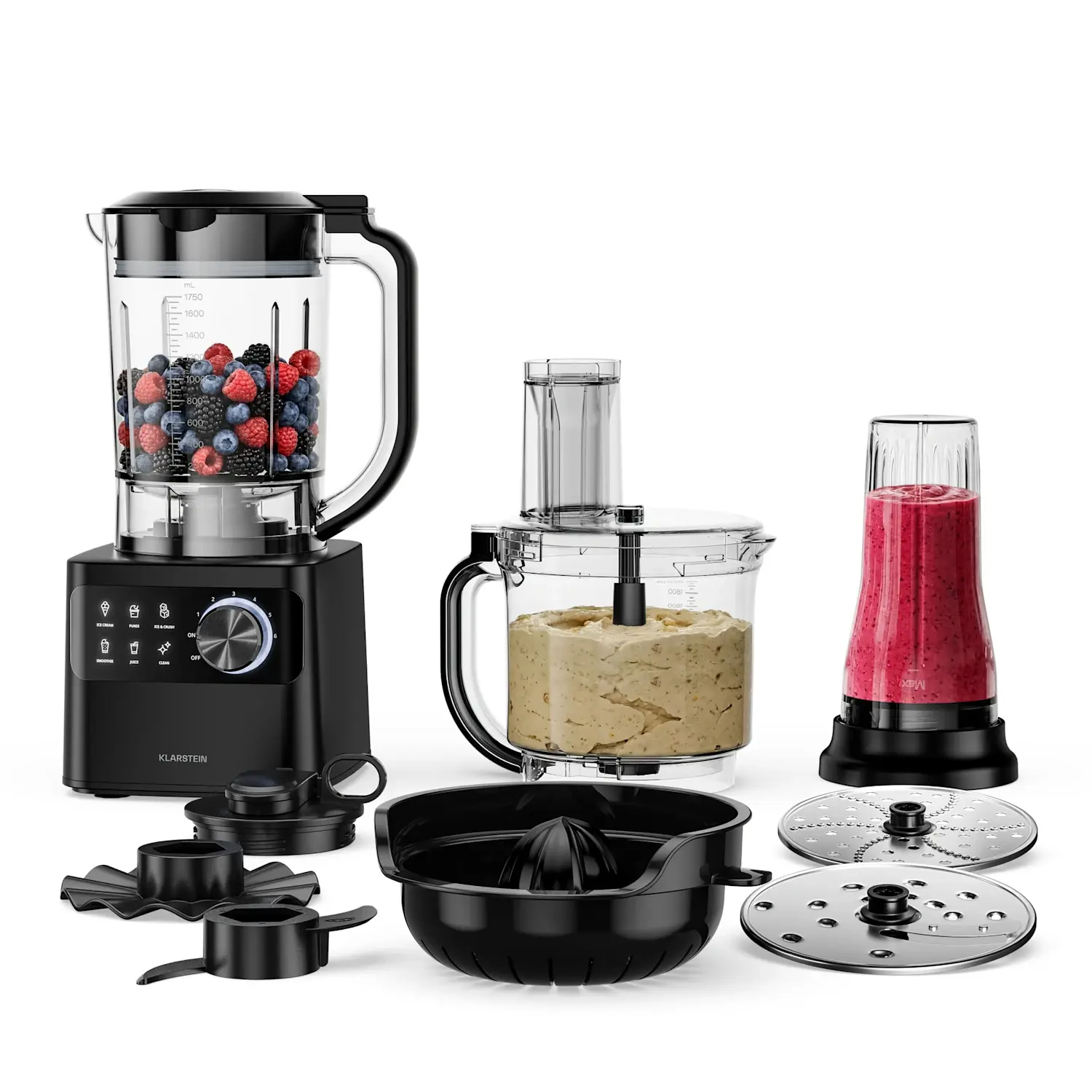
Click the links below to buy these products directly.
How far ahead of Christmas can you make it?
You do not need to bake bejgli on 24 December. Make it a few days earlier, let it cool completely, wrap carefully and store somewhere cool.
For longer storage, freeze it in smaller portions so you only need to thaw what you will use.
If it still splits, do not worry!
Split bejgli can taste just as good as a flawless roll. A thin crack does not ruin the pastry: at the festive table, flavour and time spent together matter more.
Tip: Save this recipe so you can find it before Christmas, or print the ingredients for your shopping trip!
Happy festive preparations from Instant Útiterv!


Comments